Job hunting in 2026 feels different. Recruiters skim resumes in seconds, applicant tracking systems filter out anything that doesn't match their keyword list, and "relevant experience" has quietly expanded to include self-directed learning. That's actually good news for anyone who can't afford a graduate degree or a $2,000 bootcamp. A well-chosen certification, earned for free, can do more for your callback rate than another bullet point about "team player" skills ever will.
The catch is that not all free certifications are created equal. Some carry real weight with hiring managers; others are essentially participation trophies. Below are seven free online certification programs worth your time in 2026, chosen because they're recognized by employers, cover skills companies are actively hiring for, and don't cost a cent to complete.
If you're also exploring funding for further study alongside these certifications, resources like listscholarship.com list scholarship opportunities that can pair well with a stronger, certification-backed resume.
1. Google Career Certificates (Coursera, Free Audit Track)
Google's Career Certificates cover fields like Data Analytics, Project Management, UX Design, IT Support, and Digital Marketing. While the certificate itself is usually tied to a paid Coursera subscription, nearly every course inside the program can be audited for free, meaning you can complete all the coursework, quizzes, and hands-on projects at no cost. You won't get the official badge without paying, but you will walk away with portfolio-ready projects and a genuine understanding of the material, which is often what actually gets you through a first-round interview.
For resume purposes, listing "Completed Google Data Analytics coursework" alongside a link to your portfolio project carries more weight than most people assume, especially for entry-level roles.

2. HubSpot Academy Certifications
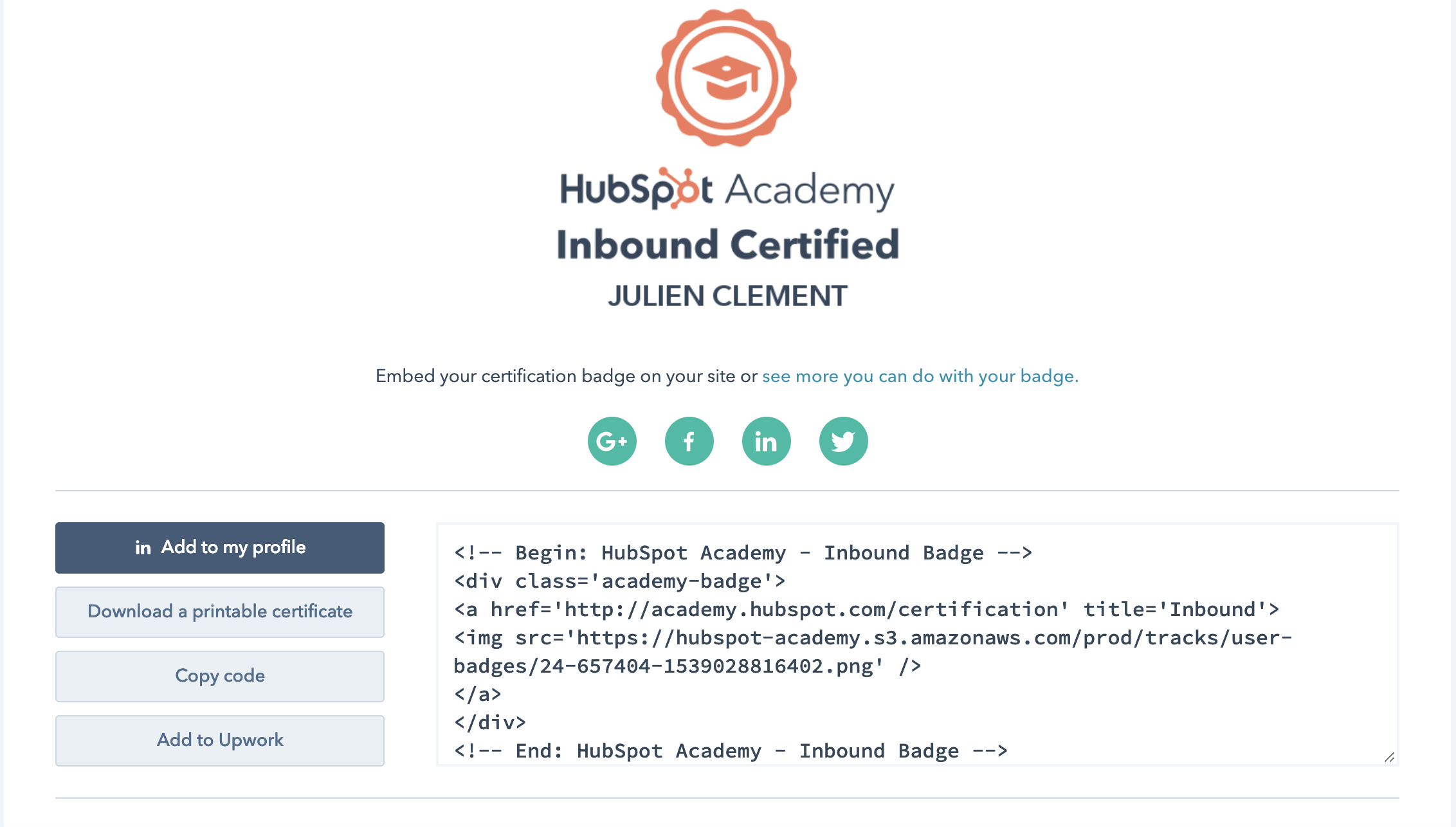
HubSpot Academy is one of the most underrated resources in the marketing and sales world, and every single certification is completely free: no audit tricks, no paywalls. Courses cover inbound marketing, content marketing, social media strategy, email marketing, and sales enablement, each ending in a real, verifiable certificate you can add directly to LinkedIn.
What makes HubSpot certifications particularly resume-friendly is that marketing and sales hiring managers recognize the brand instantly. It signals that you understand modern, tool-based marketing workflows rather than outdated textbook theory.
3. Microsoft Learn Certifications
Microsoft Learn offers free, self-paced learning paths for cloud computing (Azure), Power Platform, Microsoft 365, and security fundamentals. While the official proctored exams for certifications like Azure Fundamentals (AZ-900) sometimes carry a fee, Microsoft frequently runs free exam voucher promotions, and the learning content itself: modules, labs, and knowledge checks , is entirely free year-round.
Cloud skills remain one of the most consistently in-demand areas in tech hiring, and even the foundational Azure Fundamentals badge on a resume tells recruiters you understand cloud infrastructure basics, which is often enough to clear an initial screening for junior IT or support roles.
4. HubSpot alternative for tech: freeCodeCamp Certifications
freeCodeCamp remains one of the most respected free coding education platforms, and it's entirely nonprofit-funded, meaning every certification, from Responsive Web Design to Scientific Computing with Python - costs nothing, forever. Each certification requires building real projects, not just passing multiple-choice quizzes, so your GitHub portfolio grows alongside your credential.
For self-taught developers or career switchers into tech, freeCodeCamp certificates paired with a solid portfolio link on a resume often outperform a random list of programming languages with no proof of application.
5. IBM SkillsBuild
IBM SkillsBuild offers free courses and certificates in areas like cybersecurity, artificial intelligence, data science, and cloud computing, aimed specifically at students, job seekers, and career changers. Courses are built around real IBM tools and frameworks, and many include badges verifiable through Credly, which recruiters can check with a single click.
This program is particularly useful for people targeting roles in enterprise environments, since IBM's ecosystem is still widely used across finance, healthcare, and government sectors.
6. Google Digital Garage: Fundamentals of Digital Marketing
Separate from the Career Certificates program, Google Digital Garage's "Fundamentals of Digital Marketing" course is completely free and includes a certification accredited by The Open University and IAB Europe. It covers SEO, social media, analytics, and online advertising basics in around 40 hours of self-paced learning.
This certification works particularly well for people applying to marketing-adjacent roles, small business positions, or freelance work, where a broad understanding of digital fundamentals is expected but formal marketing degrees are not.
7. LinkedIn Learning Free Courses (via Library Card or Trial Access)
Many public libraries offer free access to LinkedIn Learning through a library card, and LinkedIn itself frequently opens select courses for free during promotional periods. Certificates earned here, particularly in project management, communication, and software tools like Excel or Google Sheets, sync directly to your LinkedIn profile, appearing under a dedicated "Licenses & Certifications" section that recruiters browsing your profile see immediately.
The advantage here isn't just the credential itself, but the visibility. A LinkedIn-integrated certificate shows up passively every time someone views your profile, working as a quiet, ongoing form of self-marketing.
How to Actually Use These Certifications on Your Resume
Earning a certificate is only half the job. Where and how you list it matters just as much.
Create a dedicated "Certifications" section near the top third of your resume, especially if you're early in your career or switching industries. List the certification name, the issuing organization, and the date earned. If the certification involved a tangible project: a dashboard, a website, a marketing campaign mockup, link to it directly, either through a portfolio site or a GitHub repository.
Avoid listing more than four or five certifications at once. Hiring managers skim resumes in under ten seconds; a wall of badges reads as noise rather than credibility. Choose the two or three most relevant to the specific job posting and let the rest live on your LinkedIn profile instead.
Do Free Certifications Actually Help You Get Hired?
The honest answer is: it depends on the role and how you present them. Free certifications rarely replace formal degrees or years of hands-on experience, but they do three things very effectively. First, they signal initiative - completing a course without external pressure suggests genuine interest in the field. Second, they close specific skill gaps that might otherwise disqualify you from an ATS keyword scan. Third, they give you something concrete to talk about in an interview when you're asked "tell me about a time you learned something new."
For students and recent graduates still building out their experience section, pairing certifications with financial aid resources can make a meaningful difference too. Platforms such as listscholarship.com compile scholarship listings that can support further study while you build your certification portfolio on the side, creating a resume that shows both academic progress and independent initiative.