


All Related Scholarships & Support Programs Provided at studentlife.swinburne.edu.au
Scholarship details and scholarship-gaining assists are given
Visit site: studentlife.swinburne.edu.au
Scholarship Support
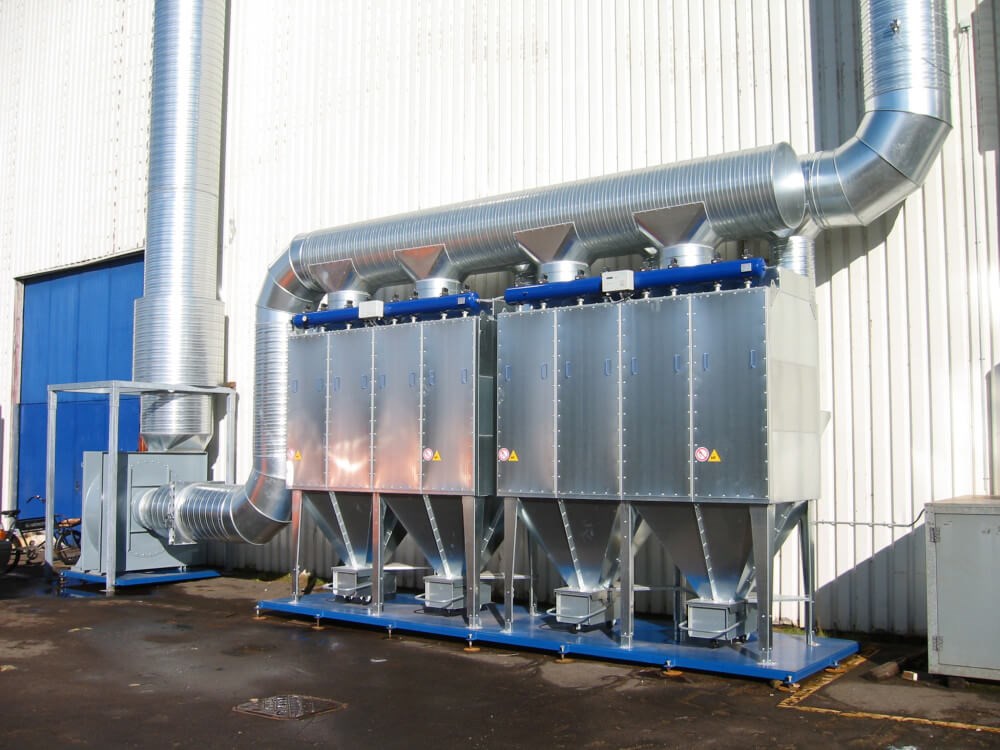
Top Air Filter Technologies For Factories In 2025: HEPA, Baghouse, And Beyond
As industrial activities intensify, maintaining air quality in factories has become critical for worker safety, equipment longevity, and regulatory compliance. In 2025, air filtration technologies like High-Efficiency Particulate Air (HEPA) filters, baghouse systems, cartridge collectors, and dust collectors are at the forefront of addressing these needs. Innovations such as nanofiber filters are further enhancing efficiency and sustainability, helping industries like cement, automotive, and manufacturing meet stringent environmental regulations. This article explores these technologies, their applications, efficiencies, and the role of cutting-edge advancements in shaping the future of industrial air filtration. The Importance of Air Filtration in Factories Factories, particularly in industries like cement, automotive, and manufacturing, generate significant amounts of dust, fumes, and particulate matter. These pollutants pose health risks to workers, damage machinery, and contribute to environmental degradation. According to the World Health Organization, air pollution causes approximately 7 million premature deaths annually, with industrial emissions being a significant contributor. Stringent regulations, such as those enforced by the U.S. Environmental Protection Agency (EPA) and the European Union’s Industrial Emissions Directive, mandate factories to control emissions effectively. Air filtration systems are essential for capturing harmful particles, ensuring compliance, and maintaining clean production environments. The global industrial air filtration market, valued at $17.5 billion in 2024, is projected to reach $30 billion by 2032, driven by rising industrialization and regulatory pressures. Technologies like HEPA, baghouse, cartridge, and dust collectors, alongside innovations like nanofiber filters, are pivotal in this growth. Read more:DIY Vs. Professional Installation: Setting Up Your Pool Filtration System Key Air Filter Technologies for Factories HEPA Filters HEPA filters are renowned for their ability to capture 99.97% of particles as small as 0.3 microns, making them ideal for environments requiring high air purity. In factories, HEPA filters are used in cleanrooms (e.g., pharmaceuticals, semiconductors) and automotive manufacturing, where they prevent microscopic contaminants from affecting sensitive processes. For instance, HEPA filters in automotive plants ensure clean air for precision tasks like painting and assembly, reducing defects. Efficiency and Applications: HEPA filters excel in capturing fine dust, bacteria, and spores, making them indispensable in industries with strict hygiene standards. In cement factories, HEPA filters complement other systems by capturing ultra-fine particles that escape primary filtration. Their high efficiency comes at the cost of higher pressure drops, which can increase energy consumption, but advancements like low-delta-pressure designs (e.g., Hollingsworth & Vose’s NANOWEB) mitigate this issue. Innovations: In 2025, HEPA filters are seeing advancements in filter media, such as synthetic NANOWEB, which extends service intervals and reduces energy costs. These filters are also being integrated into portable air purifiers for targeted applications in manufacturing facilities. Baghouse Filters Baghouse filters, also known as fabric filters, use woven or felted fabric bags to capture dust from industrial gas streams. They are widely used in high-dust-load industries like cement, metals, and power generation due to their 99%+ particulate collection efficiency, even for very small particles. Baghouses became prominent in the late 1970s with the development of high-temperature fabrics capable of withstanding over 350°F, making them suitable for harsh environments. Efficiency and Applications: Baghouse systems, such as pulse-jet, reverse-air, and shaker types, are highly effective in cement plants, where they capture limestone, clinker dust, and silica during crushing and grinding processes. In automotive manufacturing, baghouses manage welding fumes and metal dust, ensuring worker safety and regulatory compliance. Pulse-jet baghouses, which use compressed air for cleaning, dominate due to their continuous operation and low maintenance. Innovations: The adoption of nanofiber membranes and expanded polytetrafluoroethylene (ePTFE) coatings enhances baghouse performance by improving surface loading and dust release, reducing cleaning frequency and energy use. For example, Donaldson’s Synteq XP filter media reduces energy consumption by up to 40% due to lower pressure drops. Read more:Reducing Your Carbon Footprint With Smart Home Tech And Energy Efficient Windows Cartridge Collectors Cartridge collectors use pleated, nonwoven filter media in cylindrical cartridges, offering a compact alternative to baghouses for lower dust loads and temperatures below 250°F. They are popular in automotive and manufacturing industries for their ease of maintenance and high filtration efficiency. Efficiency and Applications: Cartridge collectors achieve up to 99.9% efficiency in capturing dust particles, making them ideal for automotive plants handling paint booth overspray or metalworking dust. In manufacturing, they are used in woodworking and food processing to manage fine particulates like sawdust or flour. Their compact design allows for smaller system footprints, reducing installation costs. Innovations: Nanofiber-coated cartridges, such as Nederman’s type 178 media, improve surface loading and dust release, lowering operating costs and enhancing airflow. These advancements allow cartridge collectors to handle finer dust particles and extend filter lifespans, making them cost-effective for factories. Dust Collectors Dust collectors are broad systems encompassing baghouses, cartridge collectors, and cyclones, designed to remove particulate matter from industrial air streams. They dominate the market, holding over 28% of revenue share in 2023 due to their versatility across industries. Efficiency and Applications: Dust collectors are critical in cement production, capturing large volumes of dust during crushing and kiln operations. In automotive manufacturing, they manage welding fumes and grinding dust, while in general manufacturing, they protect equipment from dust buildup. Their efficiency, often exceeding 99.9%, supports compliance with OSHA and EPA standards. Innovations: Smart dust collectors with sensor-based monitoring and predictive maintenance are gaining traction in 2025. For example, Donaldson’s PowerCore technology offers a 70% smaller footprint and lower energy consumption compared to traditional systems, ideal for space-constrained factories. Industry-Specific Applications Cement Industry Cement production generates significant dust during crushing, grinding, and kiln operations. Baghouse filters and dust collectors are primary solutions, capturing coarse particles, while HEPA filters address fine dust in cleanroom-like environments (e.g., quality control labs). The cement segment held a 27% market share in 2023, driven by global construction growth and environmental regulations. Nanofiber-enhanced baghouses improve filtration efficiency, ensuring compliance with emission standards. Automotive Industry Automotive manufacturing relies on HEPA and cartridge collectors for clean air in painting, welding, and assembly processes. HEPA filters, like MANN+HUMMEL’s H13 models, remove fine contaminants, ensuring defect-free finishes. Dust collectors manage welding fumes, protecting workers and equipment. The rise of electric vehicles has increased demand for advanced filtration to maintain air quality in battery production. General Manufacturing Manufacturing facilities, including metalworking and woodworking, use a combination of baghouses, cartridge collectors, and dust collectors. These systems address diverse pollutants like metal dust, sawdust, and chemical fumes. Nanofiber filters enhance efficiency, reducing maintenance costs and downtime. Innovations Driving the Future Nanofiber Filters Nanofiber technology, characterized by ultra-thin fibers (1/3000th the thickness of traditional media), revolutionizes air filtration by enabling surface loading rather than depth loading. This improves dust release, reduces pressure drops, and lowers energy consumption. Companies like Nederman and Hollingsworth & Vose are integrating nanofiber media into cartridge and baghouse systems, extending filter lifespans and improving efficiency in cement and automotive applications. Smart Filtration Systems Industry 4.0 integration is transforming air filtration with smart dust collectors equipped with sensors for real-time monitoring. These systems optimize cleaning cycles, reduce energy use, and predict maintenance needs, enhancing operational efficiency in manufacturing plants. Sustainable Solutions Sustainability is a key driver in 2025, with manufacturers adopting reusable and washable filter media. Biodegradable materials and energy-efficient designs, such as Donaldson’s PowerCore, align with green manufacturing goals, reducing environmental impact. Regulatory Compliance and Market Growth Stringent regulations, such as OSHA’s workplace safety standards and the EPA’s emission limits, are pushing factories to adopt advanced filtration systems. The EU’s Industrial Emissions Directive and ASHRAE standards further emphasize high-efficiency filters like HEPA and nanofiber-enhanced baghouses. The industrial air filtration market is expected to grow from $18.63 billion in 2025 to $32.09 billion by 2034, with a CAGR of 6.23%, driven by these regulations and demand from industries like cement and automotive. Challenges and Considerations Despite their benefits, air filtration systems face challenges: High Initial Costs: Advanced systems like nanofiber-enhanced baghouses require significant upfront investment. Maintenance Needs: Regular cleaning and filter replacement are essential to maintain efficiency, particularly for HEPA and cartridge systems. Supply Chain Issues: Disruptions in raw material supply can impact filter production, though normalization is expected post-2025. To address these, factories should invest in training for maintenance staff and partner with reliable suppliers like AirMax Filters or FabCo for customized solutions. Conclusion In 2025, HEPA, baghouse, cartridge, and dust collectors remain the backbone of industrial air filtration, with each technology tailored to specific factory needs. Innovations like nanofiber filters and smart systems are enhancing efficiency, reducing costs, and ensuring compliance with stringent regulations. For industries like cement, automotive, and manufacturing, these technologies not only improve air quality but also enhance productivity and sustainability. As the industrial air filtration market continues to grow, adopting these advanced solutions will be critical for factories aiming to thrive in a cleaner, safer, and more regulated future.
Read More
Difference Between TOEFL Vs. IELTS: What Is Better For Applying For Scholarships?
If you would like to apply for scholarships at Canada, and also you do not come from a predominantly English - talking US probabilities are you will need to write an English language talent take a look at. Two of the famous maximum round sectors are IELTS and TOEFL. But what's the difference between TOEFL vs. IELTS? What is the Difference between TOEFL vs. IELTS? While the content material is similar, with 4 simple regions of competency, the systems of the checks fluctuate pretty a bit. Anotherdifference between TOEFL vs. IELTSis TOEFL questions are nearly absolutely a couple of preferences, at the same time as IELTS checks have many forms of questions for the duration of, along with brief solutions, small essays, and gap-filling tasks. A furtherdifference between TOEFL vs. IELTSis thatTOEFL is a computer-primarily based approach you may not need to engage with a real human. IELTS talking checks are completed face-to-face with an examiner, which may be nerve-wracking for some. When acting writing tasks, TOEFL can have you operate a keyboard simultaneously as IELTS is hand-written. Anotherdifferenceisin the phrases of the period for the IELTS vs. TOEFL checks, The IELTS essay is a bit shorter, at 250 words, compared to TOEFL's 300. In the listening part, the TOEFL will allow you to concentrate and take notes on the lectures of a university course or snippets of conversation on campus. You'll then use your notes to reply to a couple of preference questions. For IELTS, you will concentrate on recordings and solution questions as you go over some of the exceptional, now-acquainted query types. Over 3.7 million college students take a look overseas each year. All of them want to knowwhich is better, TOEFL or IELTS. Many college students look at English-talking nations, including Australia, Canada, New Zealand, the United Kingdom, and the USA. IELTS vs. TOEFL Comparison Studying in an English-speaking, the US gives masses of opportunities. It can also let you focus on a specific area or advantage employment as soon as you've completed your training. The IELTS is recognized by more than 11,000 training and education providers worldwide. To begin, discover which take a look at(s) the establishments you're interested in will allow. If you don't have a time constraint, consider which take a look at is good for you amongst IELTS vs. TOEFL. TOEFL is lengthier, however completely clear. You can calculatethe difference between TOEFL vs. IELTSthrough some rational factors. IELTS is a shorter, perhaps extra rigorous exam with various questions and assignments and direct verbal exchange with an examiner. TOEFL prices among $two hundred and CAD 325, while IELTS is quite extra expensive, ranging between $260 and CAD 390. It can be a problem if you're on a good budget. Finally, which examination is nice for you is an issue of private opinion. Each examination is authorized through loads of establishments for the duration of the sector, and there are take a look at dates to be had for the year. The International English Language Testing System (IELTS) checks your ability to read, write, concentrate, and communicate in English. There are primary strands of IELTS: Academic This strand is for those analyzing on the university or college stage in an English-talking US or pursuing an expert profession in fields like engineering and healthcare. General It is generally for college students on the excessive faculty stage or lower, in addition to humans migrating to paintings in the English-speaking US. IELTS makes use of a band machine from 1 to 9, with separate ratings throughout the 4 sections averaged to offer your very last rating. Your universal result may be rounded to the closest half-band. TOEFL iBT The Test of English as a Foreign Language is internet-primarily based on (TOEFL iBT). It can even take a look at your studying, writing, listening, and talking capabilities in English, with a focal point on actual verbal exchange in a schoolroom setting. In this article, we discuss the maindifference between TOEFL and IELTS. You'll come upon excessive-stage fabric even though you have been on campus. TOEFL is an American take a look at. However, like IELTS, it lets in each British and American spellings. TOEFL includes 4 sections, every similarly weighted, and is absolutely computer-primarily based totally. You will be asked to do every study and listen, accompanied by talking and writing, which means you will have to integrate your skills to succeed. The entire take a look will take approximately 4 hours, with the abnormal brief spoil for the duration. Conclusion Selecting IELTS or TOEFL test to apply for a European scholarship depends on the specific requirements of thescholarship you intend to apply for.Therefore, you should read the scholarship requirements carefully and choose the right option for yourself. Scores of English talent checks are a vital part of college packages to English-talking nations. All the non-local audio systems of the English language need to take those assessments to finish their packages. Out of allthe differences between TOEFL vs. IELTS, both are famous for studying abroad. Both of them determine the applicants' studying, writing, listening, and talking capabilities, however, in exceptional formats.
Read More
Why Scholarships Are Better Than Student Loans? - Top 5 Reasons
Even after all efforts, you have finally won in applying to schools and getting accepted, and there will most likely still be work to get done when it comes to paying tuition. You can take two main things to try to address this problem: scholarships or student loans. Most students will need to take out the students' loans to pay for college, but that does not mean mountains of student debt are inevitable. The smart students will be sure to do a free scholarship search to get the scholarship opportunities that help you pay for tuition, so they don't have to take out many student loans. So, there are five reasons that why scholarships are better than student loans. Difference between Scholarship and Student Loans: Student loans are different from other types of financial aid. Applying for a student loan is a very complicated process. So, for this, it's important to understand that what the application process entails. There are commonly four types of student loans. But it would help if you considered what you and your family could afford to repay each month, including interest. If we talk about the scholarship, then the scholarship is the gift that is only designed for education. There are many private and public scholarship programs that give students of all ages. In addition to this, you don't need to repay the scholarship. So, this is the big difference between the scholarship and student loan. In this way, scholarships are better than student loans. No Repayment and Lower Tuition: The biggest difference between them is very clear. Student loans are just like the many other loans, so they must be paid back. In addition to this, loans will start accruing interest as soon as you begin college. At the same time, some loans will not expect repayment while you are in college. So, you have to start repaying as soon as after graduation. It is why the scholarships which are granted instead of loaned are very important. The scholarship is a free ride with full tuition aid. Any money you don't have to pay back is essential. Another best thing about scholarships is the most of them will be paid directly paid to your university. It means that your tuition will also be lowered, and you can easily go from there to assess how much you will need for the remaining course fees. Furthermore, with the scholarship money already applied to your tuition, you can budget your housing, books, meals, and transportation fees. In addition to this, you can make an informed decision about your money and expenses. Networking: Remember that scholarship can be related to your school, government groups or institutions, and more. Some of the scholarships require special essays or projects. These programs will bring to your attention different communities of people that have the same interest as you. Make sure to do a conversation at a ceremony or in an online group related to your award. Motivation and Distinction: When you get the scholarship, it does not end there. Most likely, you have to keep up your GPA in certain or all of your classes. Winning a scholarship is a great way to get motivated and excited about your academic performance. It is a great motivation for you that you get this money due to your great performance. You earn this money because you are doing great work, so keep it up. Many scholarships are highly selective and not easy to get, and you have to distinguish yourself by winning them. You may be sought after for opportunities and placements by proving your worth. It is also a good idea to put the scholarship you won on your student resume when applying to summer jobs or internships. No Need to Work: According to the research, nearly half of all undergraduate students have a job to help them fulfill their finances related to their studies and living cost. Getting a job can help college students in their college expenses. If you have to work 16 hours per week or more, will you put in as much effort on your paper? It is a compromise that many colleges that many students have to take when they take the student loan because they have to repay this money with interest. So, in this way, the key benefit of scholarships is that the need to work is removed. Instead, you can give all of your time to working on your academic projects. So, this will also allow you to improve your grades and get a better job when you graduate. In addition to this scholarship can boost your resume, but the student cannot boost your resume. In this way, scholarships are much better than a student loan. So, try to consider a scholarship compared to a student loan that is not free and a great achievement for you.
Read More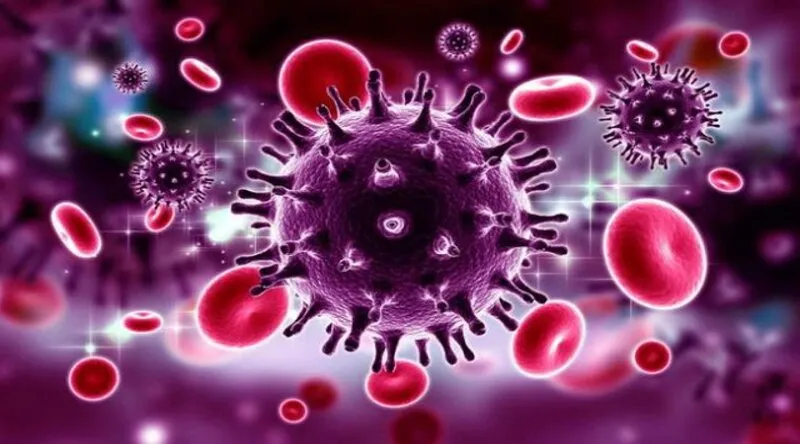
Unlock Your Potential With Free Online HIV Courses And Certifications
In today’s world, understanding HIV and its prevention, treatment, and management is more critical than ever. With advancements in medical research and public health strategies, the demand for knowledgeable professionals and informed individuals in HIV prevention and care is growing. Fortunately, numerous free online HIV courses with certificates and HIV training certification online are available to empower healthcare providers, community workers, and anyone passionate about making a difference in the fight against HIV. This article explores the best platforms, courses, and certifications to help you gain expertise in HIV-related topics, all while earning valuable credentials to boost your career or community impact. Why Pursue HIV Courses and Certifications? HIV, or Human Immunodeficiency Virus, remains a global health challenge, affecting millions of people worldwide. Education in HIV prevention, treatment, and stigma reduction is essential for healthcare professionals, volunteers, and community advocates. By enrolling in HIV courses and certifications, you can: Gain Specialized Knowledge: Learn about HIV transmission, prevention strategies like Pre-Exposure Prophylaxis (PrEP), antiretroviral therapy (ART), and the latest research on HIV vaccines and cures. Earn Recognized Credentials: Many programs offer certificates upon completion, which can enhance your resume and demonstrate your commitment to public health. Combat Stigma: Understanding HIV helps dispel myths and promotes inclusive, compassionate care for those affected. Advance Your Career: Certifications like the HIV Prevention Certified Provider™ can open doors to roles in healthcare, public health, and community outreach. Whether you’re a healthcare provider, educator, or community member, free online HIV courses with certificates provide accessible, high-quality education to make a meaningful impact. Top Platforms Offering Free Online HIV Courses with Certificates Several reputable organizations and platforms offer HIV training certification online at no cost, often with certificates to validate your learning. Below are some of the best options available in 2025: 1. HealthHIV’s HIV Prevention Certified Provider™ Certification Program HealthHIV offers a comprehensive HIV Prevention Certified Provider™ (HIVPCP) program, an online, self-paced curriculum designed for clinicians and healthcare providers. This program includes eight 60-minute modules covering HIV epidemiology, PrEP implementation, and cultural humility in care delivery. Upon completion, participants earn the prestigious HIVPCP designation and a listing in a national directory of certified providers. The program is CME-accredited, making it ideal for professionals seeking continuing education credits. Key Features: Free for clinicians (requires a Medscape account for some modules). Updated annually to reflect the latest biomedical interventions. Includes a specialized module for pharmacists (HIVPCPRX certification). 2. National HIV Curriculum by the University of Washington The National HIV Curriculum, led by the University of Washington, is a robust AIDS Education and Training Center program. It offers interactive, case-based modules on HIV screening, diagnosis, antiretroviral therapy, and prevention strategies. This curriculum is perfect for healthcare providers looking to establish core competencies in HIV care. Key Features: Free self-study modules with CNE/CME credits. Interactive question bank for board-review-style learning. Covers topics like HIV capsid inhibitors and co-occurring conditions. 3. OWL’s HIV Fundamentals Course The HIV Fundamentals course by OWL (Open World Learning Inc.) is a concise, 35-minute program ideal for volunteers, healthcare workers, and community members. It covers HIV transmission, prevention (including PrEP and PEP), and stigma reduction. Upon completion, learners receive a downloadable certificate. Key Features: Interactive modules with videos and activities. Focuses on practical knowledge for community impact. Accessible to beginners and professionals alike. 4. Class Central’s HIV Prevention Courses Class Central aggregates free online HIV courses with certificates from top universities like Stanford, Johns Hopkins, and Columbia. Courses like “PrEParing: PrEP for Providers and Patients” and “AIDS: Fear and Hope” provide in-depth insights into HIV prevention and care. These courses range from beginner to advanced levels and are available on platforms like Coursera and YouTube. Key Features: Free access to university-level content (audit option on Coursera). Topics include HIV vaccine development, drug resistance, and PrEP implementation. Flexible durations, from 30 minutes to 16 hours. 5. CDC’s HIV Nexus and Medscape Programs The CDC’s HIV Nexus, in collaboration with Medscape, offers free CME and CE programs for healthcare providers. Courses like “A Clinical Roadmap for Integrating PrEP Into Diverse Primary Care Settings” and “Inclusive HIV Prevention & Care” focus on practical skills for implementing PrEP and fostering inclusive care environments. Key Features: Free with a Medscape account. Up to 1 contact hour of CME/CE credits per course. Tailored for primary care physicians, nurses, and physician assistants. 6. Alison’s Free HIV Courses Alison provides beginner-friendly free online HIV courses with certificates that cover HIV transmission, symptoms, and prevention. These courses are ideal for individuals seeking foundational knowledge to stay safe and inform others. Key Features: CPD-accredited certificates to enhance your resume. Self-paced learning for flexibility. Focus on practical prevention strategies. Benefits of HIV Training Certification Online Enrolling in HIV training certification online offers numerous advantages, especially for busy professionals and learners: Accessibility: Online courses allow you to learn from anywhere, at your own pace, without the need for in-person attendance. Cost-Effective: Free courses eliminate financial barriers, making education accessible to all. Career Advancement: Certificates from reputable programs like HealthHIV or the National HIV Curriculum demonstrate expertise and commitment, enhancing your credibility in healthcare or public health roles. Up-to-Date Knowledge: Courses are regularly updated to reflect the latest advancements, such as long-acting injectables and HIV cure research. How to Choose the Right HIV Course With so many options, selecting the right HIV course and certification can be overwhelming. Consider these factors: Your Goals: Are you seeking professional development (e.g., CME credits) or general knowledge? Clinicians may prefer HealthHIV or CDC programs, while community members might choose OWL or Alison. Time Commitment: Courses range from 35 minutes (OWL) to 16 hours (Coursera). Choose one that fits your schedule. Certification Needs: Ensure the course offers a certificate if you need one for your resume or professional requirements. Content Focus: Some courses emphasize clinical skills (e.g., PrEP prescribing), while others focus on community education or stigma reduction. How to Get Started Getting started with free online HIV courses with certificates is simple: Explore Platforms: Visit websites like HealthHIV (ehealthhiv.org), National HIV Curriculum (hiv.uw.edu), OWL (join.owl.inc), or Class Central (classcentral.com) to browse available courses. Register: Most platforms require a free account (e.g., Medscape, Coursera, or Alison) to access courses and track progress. Complete the Course: Engage with interactive modules, videos, and assessments to maximize learning. Earn Your Certificate: Download or claim your certificate upon completion to showcase your achievement. The Impact of HIV Education By completing HIV courses and certifications, you contribute to a world where HIV is better understood, prevented, and managed. These courses equip you to: Support Communities: Educate others about HIV prevention and reduce stigma in your community. Enhance Patient Care: Apply best practices in HIV screening, treatment, and PrEP implementation. Drive Public Health: Join the global effort to end the HIV epidemic through informed advocacy and practice. Conclusion The availability of free online HIV courses with certificates and HIV training certification online makes it easier than ever to gain expertise in HIV prevention and care. Whether you’re a healthcare provider aiming to earn CME credits or a community member passionate about reducing stigma, these courses offer valuable knowledge and credentials. Platforms like HealthHIV, the National HIV Curriculum, OWL, and Class Central provide accessible, high-quality education to empower you in the fight against HIV. Start your journey today and make a lasting impact in public health.
Read More