


All Related Scholarships & Support Programs Provided at it.santarosa.edu
Scholarship details and scholarship-gaining assists are given
Visit site: it.santarosa.edu
Scholarship Support

Is Botox Worth It? Comparing Costs And Results For Forehead And Crow’s Feet
Botox, a household name in cosmetic treatments, has become a go-to solution for smoothing dynamic wrinkles like those on the forehead and around the eyes (crow’s feet). Derived from botulinum toxin type A, Botox temporarily relaxes facial muscles, reducing the appearance of wrinkles caused by repetitive expressions. With costs ranging from $10 to $25 per unit in the U.S., the decision to invest in Botox involves weighing its benefits—non-invasive procedure, quick results—against its drawbacks, such as temporary effects and recurring costs. This article analyzes the value of Botox for forehead wrinkles and crow’s feet, comparing costs, results, and real-world experiences to help determine if it’s worth the investment. Understanding Botox and Dynamic Wrinkles Dynamic wrinkles form from repetitive facial movements, such as squinting (crow’s feet) or raising eyebrows (forehead lines). Unlike static wrinkles, which result from collagen loss and remain visible at rest, dynamic wrinkles are ideal candidates for Botox, which works by blocking nerve signals to specific muscles, preventing contractions that cause creases. The FDA has approved Botox Cosmetic for three areas: forehead lines, glabellar lines (frown lines between the eyes), and crow’s feet, with treatments typically requiring 10–40 units per area depending on muscle strength and wrinkle severity. The procedure is minimally invasive, involving small injections administered in 10–15 minutes, with results appearing within 5–14 days and lasting 3–4 months. Its popularity is evident: in 2022, over 9 million Botox treatments were performed globally, with North America leading the market. But with costs averaging $300–$800 per session, is Botox worth it? Let’s break it down by examining its application for forehead wrinkles and crow’s feet, including costs, benefits, and limitations. Read more:Dietary Approaches In The Management Of Diabetic Patients With Kidney Disease Botox for Forehead Wrinkles How It Works Horizontal forehead lines result from the frontalis muscle’s repeated contractions during expressions like surprise or concern. Botox relaxes this muscle, smoothing the skin above. Practitioners typically inject 15–30 units across five sites on the forehead, with Allergan (Botox’s manufacturer) recommending 20 units for optimal results. The dosage varies based on factors like age, muscle strength, and desired movement, as over-injection can lead to a “frozen” look or drooping eyelids. Costs At $10–$25 per unit, a forehead treatment costs $150–$750 per session, averaging $300–$500. For example, in urban areas like New York City, where per-unit prices can reach $25, a 20-unit treatment costs $500. In contrast, in cities like Salt Lake City, where prices may be as low as $10 per unit, the same treatment could cost $200. Treating multiple areas, such as combining forehead and glabellar lines (requiring up to 40 units), can push costs to $400–$1,000 per session. Results and Real-World Examples Botox for forehead wrinkles delivers noticeable smoothing within a week, with full effects visible by two weeks. A 35-year-old marketing professional in Chicago reported spending $400 for 20 units, achieving a smoother forehead that boosted her confidence during client presentations. She noted the results lasted four months, requiring three sessions annually at $1,200 total. Another user, a 42-year-old teacher in Denver, paid $300 for 15 units to address mild forehead lines, appreciating the subtle, natural look that preserved some expression. Pros and Cons Pros: The treatment is quick, with no downtime, allowing patients to resume normal activities immediately. It’s effective for both existing and preventative wrinkle treatment, especially for younger patients. The results are predictable when administered by a skilled injector. Cons: Effects are temporary, requiring repeat treatments every 3–4 months, leading to annual costs of $600–$2,250. Overuse can cause side effects like drooping eyebrows or a heavy forehead sensation. Costs can also add up if multiple areas are treated. Read more:Home Health Care Vs. Assisted Living: Which Is Right For You? Botox for Crow’s Feet How It Works Crow’s feet, the fine lines radiating from the outer corners of the eyes, form from squinting or smiling. Botox targets the orbicularis oculi muscle, requiring 6–15 units per side (12–30 units total). The lower unit requirement compared to the forehead makes crow’s feet a more affordable treatment area, but precision is critical to avoid affecting nearby muscles that control eyelid movement. Costs At $10–$25 per unit, crow’s feet treatment costs $120–$750 per session, averaging $200–$400. For example, a 12-unit treatment (6 units per side) at $15 per unit costs $180. In high-cost areas like Menlo Park, CA, where prices reach $20 per unit, a 20-unit treatment costs $400. Clinics may offer package deals for treating crow’s feet alongside other areas, potentially reducing per-unit costs. Results and Real-World Examples Crow’s feet treatments yield a refreshed, youthful appearance, often subtly lifting the brow. A 29-year-old graphic designer in Atlanta paid $250 for 15 units, noting smoother eye areas that enhanced her on-camera presence during virtual meetings. Her results lasted three months, requiring four sessions annually at $1,000. A 50-year-old nurse in Minneapolis, treating deeper crow’s feet with 24 units at $12 per unit ($288), valued the rejuvenated look but found the recurring cost a budgeting challenge. Pros and Cons Pros: Crow’s feet treatments require fewer units, making them more affordable than forehead treatments. The procedure enhances facial expressions by reducing lines without altering natural smiles. It’s particularly effective for early intervention in younger patients. Cons: Like forehead treatments, results last 3–4 months, with annual costs of $480–$3,000 for maintenance. Precision is crucial, and inexperienced injectors may cause asymmetry or eyelid drooping. Some patients prefer more movement around the eyes, requiring fewer units but less dramatic results. Comparing Value: Forehead vs. Crow’s Feet Cost Comparison Forehead treatments generally require more units (15–30) than crow’s feet (12–30), making them pricier per session ($300–$800 vs. $120–$750). Treating both areas simultaneously, a common choice for comprehensive rejuvenation, can require 30–60 units, costing $300–$1,500 per session. Annual costs for three to four sessions range from $900–$6,000, depending on units, provider expertise, and location. Clinics like Morpheus Medical Aesthetics offer package deals, reducing per-unit costs for multiple areas. Effectiveness and Longevity Both areas respond well to Botox, with results lasting 3–4 months. Crow’s feet treatments may require fewer units, offering a lower entry cost, but deeper wrinkles in either area demand higher doses. Regular treatments can extend longevity, as muscles weaken over time, potentially reducing the units needed. For example, a patient in their 30s using Botox preventatively may need fewer units than someone in their 50s treating established wrinkles. Patient Satisfaction Patient feedback highlights high satisfaction with both treatments. A 2023 survey by RealSelf reported 95% of Botox users found it “worth it” for its non-invasive nature and reliable results. Forehead treatments are favored for creating a polished look, while crow’s feet treatments are praised for brightening the eye area. However, dissatisfaction often stems from cost, with some patients finding the recurring expense ($1,000–$6,000 annually) prohibitive. Broader Pros and Cons of Botox Pros Non-Invasive: Botox requires no surgery or anesthesia, with minimal recovery time. Patients can return to work or social activities immediately. Quick Results: Effects appear within days, offering a fast solution for aesthetic concerns. Preventative Benefits: Younger patients use Botox to delay wrinkle formation, reducing future treatment needs. Versatility: Beyond cosmetics, Botox treats medical conditions like migraines and hyperhidrosis, sometimes covered by insurance. Cons Temporary Results: Effects wear off in 3–4 months, requiring ongoing treatments and costs. Recurring Costs: Annual expenses can range from $600–$6,000, depending on areas treated and frequency. Risk of Side Effects: Improper injection can cause drooping, asymmetry, or headaches, emphasizing the need for skilled providers. Not Universal: Botox is less effective for static wrinkles, requiring fillers or other treatments for comprehensive rejuvenation. Is Botox Worth It? The value of Botox depends on individual priorities, budget, and aesthetic goals. For those seeking a non-invasive, effective solution for dynamic wrinkles, Botox offers significant benefits. Its ability to smooth forehead lines and crow’s feet with minimal downtime is unmatched by most skincare treatments, and its preventative potential appeals to younger users. Real-world examples, like the Chicago professional and Atlanta designer, highlight boosted confidence and professional advantages. However, the recurring costs can be a barrier. A patient treating both forehead and crow’s feet at $600 per session, three times a year, faces $1,800 annually—a significant investment compared to topical treatments. Budgeting strategies, such as loyalty programs (e.g., Allē by Allergan) or mid-month scheduling to align with paychecks, can help. Choosing a board-certified dermatologist or plastic surgeon, like Dr. Julia Tzu in NYC, ensures safety and optimal results, justifying higher per-unit costs ($20–$35).
Read More.jpg)
The 10 Best Language Scholarships For International Students In 2021
There are various scholarships available for language education and training programs. You can qualify for this scholarship to learn other languages abroad. Most fellowships have specific conditions, such as a Grade, study abroad destination, and class status. Make sure to review recommended practices for generating the greatest application possible when sending it out. 1. Critical Language Scholarship Thebest language scholarshipis a completely financed 8-week intensive language program equivalent to a year of university studies. The U.S. State dept funds immersion language study in 15 lesser-known languages essential to U.S. national security. The curriculum includes homestays, cultural classes, tours, and language partners in addition to language immersion classes. CLS is open to undergraduate and graduate students in the United States, and most programs do not require prior experience or knowledge of the language. 2. American Institutes of Indian Studies You may learn any combination of Indian languages through the American Institute of Indian Studies' intensive summer, semesters, or year-long programs. Because you can join their programs, AIIS currently offersthe best language scholarshipto individuals who have completed an average of two years of language instruction during the semesters. The qualifications for eligibility differ based on the language. 3. DAAD Scholarship During summer time or winter, the German Educational Exchange Service supports students worldwide to study Deutsch's language and culture at a language university in Germany. The criteria for the various study periods vary, but generally, you must be a high school senior (undergraduate or graduate) who has completed 2 years of a Bachelor's. 4. Luce Scholarship Program It is available for U.S. citizens and legal residents and is not technically thebest language scholarship, although it involves a considerable language study component. Participants complete a calm and professional after a term of orientation and intense language training. Participants for the program are nominated by participating institutions that have had limited access to Asia. 5. Boren Awards Boren provides funding to American undergraduate and graduate students for one year ofbest language scholarshipoverseas. You have the option of participating in one of the Flagship language programs or designing your own, but there are particular language, location, and award-following conditions. You must be a U.S. citizen with a clear connection to U.S. public security regarding your desired country, language, the topic of study, and foreign study. 6. NSLI-Y Another U.S. program is the National Defense Language Project for Youth. A language program sponsored by the State Department. NSLI-Y delivers fully financed immersive summer or academic yearbest language scholarshipessential to U.S. foreign policy objectives to high school students. Students usually stay with local families and go on historical excursions in addition to intense language sessions. Just high schoolers between the ages of 16 and 18 are eligible for the program, and you're a U.S. citizen. 7. TUSA TUSAbest language scholarshipis an eight-week intensive language program for Americans. It isn't solely a scholarship for foreign language majors, as many of the other programs are because you don't need to know Chinese to apply. You'll get the opportunity to learn Mandarin Chinese, go on cultural excursions, and volunteer while representing the United States in Taiwan. Undergraduate and graduate students at universities are eligible to participate in the program. 8. Ibn Battuta Arabic Scholarships The Ibn Battuta Scholarship is available to students studying Arabic at Rabat's Center. Their term, vacation, and winter programs provide both full and half scholarships for language knowledge. You do not need to be a scholar to apply, but you must have completed at least four semesters of Arabic Words or similar. 9. Darmasiswa Scholarship The Darmasiswabest language scholarshipallows you to spend up to a year immersed in the Indonesian language, skills, and community. There are a variety of institutions to pick from across the country. Any overseas applicant between the ages of 18 and 27 is eligible to apply. You should apply through the Indonesian Embassy in the area. 10. Blakemore Freeman Fellowships For proficient readers of an Asianbest language scholarship, the Standardizing Freeman Fellowships are available. The linguistic scholarship covers tuition or coaching fees and a stipend for travel, housing, and study costs for one year of intense language learning. Candidates must be citizens of the United States, hold a bachelor's degree, and work in a field that requires frequent use of the intended language. Conclusion Several governments offer grants to overseas students who want to learn the native language of their country, and many program providers also offerthe best language scholarshipthat you can then inquire about at that time. Almost all of the time, regular study abroad scholarships can be used to help support your language immersion ambitions. Furthermore, language studies can easily be integrated into another international experience, and some programs combine language study with other activities such as donating and employment.
Read More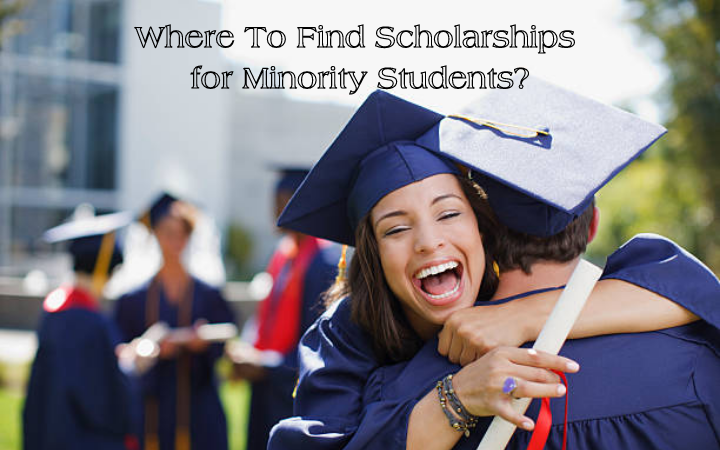
Where To Find Scholarships For Minority Students?
Awards and grants for minority understudies make it simpler and more reasonable to get to quality instruction. They diminish the by and large monetary weight and guarantee that students can finish the certifications they need for proficient achievement, which is particularly significant for minorities who face obstructions and primary imbalances in advanced education. This aide investigates well-known grants and awards accessible to minority degree-searchers. The U.S. government authoritatively perceives minorities as dependent on nationality; however, this page additionally incorporates minority socioeconomics past racial gatherings. It also answers normal inquiries, features difficulties looked at by minorities and records some noticeable minority grants. Where To Lookfor Scholarships? While looking for grants, the Department of Labor's grant data set offers search channels to help you limit down alternatives. Grant Owl and Tuition Funding Source likewise offer cutting-edge indexes for the most recent grants for minorities. Look at our page on the best way to find grants for more data. Accessible registries and data sets like these order broadly accessible grants, which will, in general, see a greater number of candidates than neighborhood grants do and, in this way, be genuinely cutthroat. Enhancing these more extensive ventures with more designated research dependent on socioeconomics you have a place with will expand your chances of getting a grant. Local and International Site to Look: To begin, restricted your hunt dependent on control, major, or field of study. A large portion of the locales recorded above offer channels to assist with this. For a more nearby methodology, contact office executives and monetary guide workplaces inside the schools where you intend to apply or join in. They regularly think about less-exposed minority grants planned explicitly for understudies at their schools. Types of Scholarships Available: The grants for minority understudies change from scholastic legitimacy grants to athletic grants to require-based grants. While looking for financing openings, mull over your abilities, gifts, and spaces of need. Grants are not restricted to school establishments either - there are explicit beneficent associations, enterprises, proficient affiliations, and minority backing bunches committed to serving underrepresented understudy populaces. Investigate a portion of these grant openings by tapping on the connections beneath and make certain to lead a free school grant search to discover more grants that might be accessible to you. African American Scholarships: A typical classification for grants is identity, alongside different arrangements for "minorities," since they will, in general, be underrepresented in numerous spaces of society. Along with numerous humanitarian associations, schools and colleges look for approaches to help understudies in their quest for advanced education. Be that as it may, the ethnic foundation may not be the possible factor required while applying for such grants. Numerous grants numerous not center around identity by any stretch of the imagination. Well-known associations that grant African Americans incorporate the United Negro College Fund and the National Assistance for the Advancement of Colored People. Truly dark schools will likewise grant understudies of African American legacy dependent on an assortment of standards. In this way, we urge you to direct a free grant search to track down every one of the grants in our information base that you may fit the bill for. Hispanic/Latino Scholarships: Some notable associations, for example, the Ronald McDonald House Charities or the ¡Adelante! Asset are devoted to helping Hispanic and Latino understudies with regards to paying for school. Even though Hispanic and Latino's grants are various, nationality should not be the particular element featured while looking for a grant. Regardless of whether it's anything but a game you dominate or an instrument, solid scholastics are constantly supported. Numerous elements add to winning a grant, and winning can be expanded when consolidating and adding additional engaging components. That is the reason we urge understudies to direct a free grant search to track down every one of the grants in our information base for which you qualify. Native American/Native American Scholarships: Local Americans have been generally underrepresented in advanced education. With universities' drives to assist with giving financing to this gathering, numerous grants are subject-explicit to empower development in underrepresented fields. A few grants require post-school work in specific locales, like Native American people groups and clans. Directing a free grant search will show you what grants you fit the bill for dependent on various rules. Local American-explicit grants will normally require documentation and verification of Native American plummet and genealogy. Additionally, certain grants might be restricted to a particular clan, like the Cherokee, Choctaw, Creek, Chickasaw, or Seminole clans. Continuously make certain to peruse the principles and qualifications cautiously before applying. It is generally produced to use our free grant search administration since you can never be sure how you can fit the bill for a specific grant. By sifting through numerous grants, we oblige your profile and can supply you with the most fitting, singular explicit grants.
Read More
Empower Your Future: Scholarships For Women In 2025
Navigating the rising costs of education can feel like climbing a mountain, but for women in 2025, scholarships designed specifically for them are lighting the way to success. The keyword "scholarships for women" captures the growing opportunities to fund higher education, empowering women to pursue their dreams without the burden of overwhelming debt. With women making up over 56% of college students in the U.S., the demand for financial support is higher than ever, especially as women hold 63.6% of student loan debt. This blog dives into the world of scholarships for women, exploring top opportunities, eligibility criteria, application tips, and how these awards are leveling the playing field. Whether you’re a high school senior, a graduate student, or a non-traditional learner, this guide, packed with insights from 2025, will help you unlock the funding you need to thrive. Why Scholarships for Women Matter Historically, women faced barriers to education, with many colleges only admitting them in recent decades. Today, scholarships for women address lingering challenges like the gender wage gap—where women earn 84 cents for every dollar a man earns—and the disproportionate student debt burden. These awards not only ease financial stress but also celebrate women’s achievements in fields where they’ve been underrepresented, such as STEM, business, and leadership. In 2025, organizations, colleges, and companies are stepping up, offering billions in funding to support women’s academic and professional journeys. Scholarships come in various forms: merit-based, need-based, field-specific, or identity-focused, catering to diverse backgrounds and goals. They allow women to focus on studies, pursue passions, and graduate with less financial strain, paving the way for brighter futures. Top Scholarships for Women in 2025 Let’s explore some of the standout scholarships available in 2025, tailored to empower women across different fields and life stages. These opportunities, drawn from reputable sources, offer significant support for your educational journey. STEM-Focused Scholarships STEM fields (science, technology, engineering, math) remain a priority for scholarships, as women make up only 28% of this workforce. The Girl Up STEM Scholarship offers $10,000 to women pursuing STEM degrees, with applications due September 18, 2025. It targets high school seniors and college students passionate about closing the gender gap in tech and science. Similarly, the Women in Computing Scholarship from the NCWIT Award for Aspirations in Computing provides $500 for women in tech-related programs, with a deadline of November 8, 2025. For graduate students, the AAUW Selected Professions Fellowship awards $25,000 to women in STEM master’s programs, particularly those underrepresented, with applications due September 30, 2025. These scholarships not only fund education but also connect recipients to mentorship and networking opportunities. Leadership and Empowerment Awards Leadership-focused scholarships celebrate women driving change. The Soroptimist’s Live Your Dream Award offers up to $16,000 for women who are primary household providers, due November 15, 2025. This award supports women overcoming obstacles like financial hardship or single parenthood, helping them achieve educational and career goals. The Women Empowering Women Scholarship, worth $500, targets community leaders and is due October 1, 2025, emphasizing grassroots impact. The Zonta International Amelia Earhart Fellowship, valued at $10,000, supports women in aerospace engineering or related sciences, with applications due November 15, 2025. These awards empower women to lead boldly in their communities and industries. Scholarships for Minority Women Diversity-focused scholarships address the unique challenges faced by women of color or underrepresented groups. The Arab-American Women’s Business Council Scholarship provides $1,000 for Arab-American women, due October 2, 2025. The Jamaican Women of Florida 4-Year Scholarship offers $5,000 for women of Jamaican descent, with a deadline of November 30, 2025. These scholarships celebrate cultural heritage while supporting academic success. For African-American women, programs like the UNCF scholarships provide significant funding, though specific 2025 awards vary. Hispanic and Latina women can explore the Hispanic Scholarship Fund, which offers up to $5,000, with deadlines typically in early 2025. These awards ensure inclusivity in higher education. General and Field-Specific Scholarships General scholarships cater to women across disciplines. The Too Cool To Pay for School Scholarship awards $1,000 quarterly (deadlines March 31, June 30, September 30, December 31, 2025) and is open to high school, college, and graduate students. The GFWC Women’s Club of South County Scholarship provides $2,571 for women in Rhode Island, due October 1, 2025. Field-specific awards, like the Dinah Shore Scholarship ($5,000, due January 31, 2025), target women passionate about golf but not playing collegiately, emphasizing extracurricular interests. The Mildred C. Hanson SIOR Memorial Scholarship offers $8,000 for women in commercial real estate, due November 1, 2025. Eligibility and Application Tips Each scholarship has unique eligibility criteria, but common requirements include: Being a female student (high school, undergraduate, or graduate) Demonstrating academic excellence (e.g., minimum GPA of 3.0 for many awards) Showing financial need or merit through essays, transcripts, or recommendation letters Pursuing specific fields (e.g., STEM, business, or arts) or belonging to certain groups (e.g., minority women) To stand out in your applications, follow these tips: Start Early: Many deadlines fall between September and November 2025, so begin preparing months in advance to gather documents and refine essays. Tailor Your Application: Customize essays to reflect the scholarship’s mission, whether it’s leadership, diversity, or field-specific goals. Highlight Achievements: Showcase academic, extracurricular, or community involvement to demonstrate your unique strengths. Seek Feedback: Have mentors or teachers review your essays for clarity and impact. Use Reputable Platforms: Websites like Bold.org, Scholarships360.org, and Scholarships.com offer vetted opportunities and matching tools to find scholarships that fit your profile. A 2025 report from Scholarships360 notes that over 4 million students have secured scholarships through their platform, emphasizing the importance of persistence and strategic applications. Challenges and Solutions Applying for scholarships can be daunting due to competition and time constraints. Here’s how to overcome common hurdles: Time Management: Create a calendar with deadlines (e.g., AAUW Dissertation Fellowship, September 30, 2025) to stay organized. Competition: Stand out by crafting compelling personal stories. For example, the Cora “Change the Cycle” Scholarship ($10,000, due September 26, 2025) values essays about overcoming challenges. Access to Information: Use trusted platforms like Scholarships.com or AccessScholarships.com to find verified awards, avoiding scams that require fees or excessive personal data. Financial Barriers: If application fees arise, seek fee waivers, often available for need-based applicants. The Impact of Scholarships on Women’s Futures Scholarships do more than cover tuition—they transform lives. By reducing financial stress, they allow women to focus on studies, explore career paths, and graduate with less debt. A 2025 study from the Education Data Initiative shows that women with scholarships are 30% more likely to complete their degrees on time compared to those without funding. Awards like the Women’s Independence Scholarship Program ($6,000, due November 1, 2025) specifically support survivors of domestic challenges, fostering resilience and independence. These scholarships also promote equity in fields like STEM, where women remain underrepresented. Programs like the All-American Pest Control STEAM Trailblazer Scholarship ($1,000, due November 30, 2025) encourage women to innovate and lead, breaking barriers for future generations. How to Find Scholarships in 2025 Start your scholarship search with these resources: Bold.org: Offers a user-friendly platform with scholarships like the Cora “Change the Cycle” award. Scholarships.com: Lists female-specific scholarships, including the CWGCS Fellowship on Women & Public Policy ($13,500, due September 1, 2025). Scholarships360.org: Provides a curated list of 274 scholarships for women, updated for 2025. AccessScholarships.com: Highlights over 35 scholarships, with tools to match your profile. CARES Foundation: Offers CAH-specific awards for women pursuing medical or related fields. Check eligibility carefully, as some scholarships require specific majors, locations, or backgrounds. For example, the CREW Inland Empire Foundation Scholarship ($5,000, due September 30, 2025) targets women in real estate in specific regions. Looking Ahead: The Future of Scholarships for Women In 2025, the landscape of scholarships for women is expanding, with increased funding for STEM, leadership, and diversity-focused awards. Initiatives like the U.S. Department of Education’s equity programs are boosting support, aiming to close educational gaps by 2030. Emerging trends include scholarships for non-traditional students, like single mothers, through awards like the Live Your Dream-Utah Single Mother Scholarship ($3,000, due November 1, 2025). Conclusion: Seize Your Opportunity Scholarships for women in 2025 are more than financial aid—they’re a gateway to empowerment, equity, and opportunity. Whether you’re aiming for a STEM career, leading your community, or pursuing a passion, there’s a scholarship waiting for you. Start exploring today with platforms like Bold.org or visit x.ai/grok for resources to find your perfect match. Your educational journey is within reach—grab it and shape your future!
Read More