


All Related Scholarships & Support Programs Provided at student.ccdc.space
Scholarship details and scholarship-gaining assists are given
Visit site: student.ccdc.space
Scholarship Support

Unlocking Global Opportunities: The Transformative Power Of Study Abroad Programs
1. Introduction to Study Abroad Programs In an increasingly interconnected world, the value of international education has never been more pronounced. Study abroad programs offer students the unique opportunity to immerse themselves in different cultures, gain global perspectives, and enhance their academic qualifications. These programs are not just about traveling; they represent a profound educational experience that can shape one’s future. By participating in overseas study or exchange programs, students can broaden their horizons in ways that traditional classroom settings may not allow. 2. The Benefits of International Education The benefits of studying abroad extend far beyond academic achievements. Engaging in international education helps students develop critical life skills, such as adaptability, independence, and intercultural communication. Living in a foreign country forces students to navigate new environments, overcome language barriers, and interact with diverse populations. This exposure fosters a sense of global citizenship, encouraging students to view issues from multiple perspectives and become more empathetic individuals. Moreover, employers increasingly value candidates with international experience, making study abroad programs an attractive addition to any resume. 3. Types of Study Abroad Programs There are several types of study abroad programs that cater to various academic and personal goals. Short-term programs typically last a few weeks and may coincide with summer vacations or academic breaks, allowing students to experience a new culture without a lengthy commitment. Semester or year-long programs provide a deeper immersion, enabling students to take courses at foreign universities while fully engaging in local life. Additionally, exchange programs allow students to swap places with peers from partner institutions, enriching their educational experience while fostering international friendships. 4. Choosing the Right Program Selecting the right study abroad program can be a daunting task, given the myriad of options available. Students should consider factors such as academic goals, language proficiency, cultural interests, and budget. Some programs may focus on specific fields of study, while others offer more general education. It is crucial to research potential host countries, universities, and program structures to find the best fit. Engaging with advisors, alumni, and online resources can provide valuable insights and help students make informed decisions. 5. Financial Considerations and Scholarships One common concern for students considering study abroad programs is the cost. However, various study abroad scholarships are available to help alleviate financial burdens. Many universities offer grants specifically for outgoing students, and numerous external organizations provide funding for international education. Additionally, some programs are designed to be more affordable, making it possible for students from diverse financial backgrounds to participate. It is essential to explore all available options and plan finances accordingly to ensure a smooth experience. 6. Preparing for the Adventure Once a program is selected, proper preparation is key to maximizing the study abroad experience. This involves logistical arrangements such as obtaining a visa, securing accommodation, and familiarizing oneself with the host country’s culture and customs. Students should also consider taking language courses or practicing basic phrases to enhance communication. Preparing mentally and emotionally for the transition is equally important, as adapting to a new environment can be challenging. Building a support network of fellow students and alumni can provide reassurance and guidance. 7. Making the Most of Your Experience While studying abroad, it is vital for students to immerse themselves in the local culture. Engaging with locals, exploring the region, and participating in cultural events can enrich the educational experience. Students should take advantage of opportunities to travel within the host country and to neighboring regions, as this broadens their understanding of different cultures and histories. Reflecting on experiences through journaling or blogging can help students process their thoughts and insights, making the journey even more meaningful. 8. Post-Study Abroad Opportunities The impact of study abroad programs often extends long after students return home. Many find that their international experiences significantly enhance their academic pursuits and career opportunities. Graduates with overseas study experience often report increased confidence, improved communication skills, and a greater understanding of global issues. These qualities make them more competitive in the job market, and many employers actively seek candidates with international backgrounds. Additionally, maintaining connections with peers from abroad can lead to lasting friendships and professional networks. 9. Conclusion: Embrace the Global Journey In conclusion, study abroad programs offer invaluable opportunities for personal and academic growth. The experience of studying in a foreign country can transform students into global citizens, equipped with the skills and perspectives necessary for success in an interconnected world. Whether through short-term exchanges or year-long studies, the benefits of international education are profound and enduring. As students embark on this journey, they should embrace the challenges and rewards that come with stepping outside their comfort zones. The world is waiting, and the possibilities are endless. Meta SEO Title: Explore Study Abroad Programs: Unlock Global Opportunities for Students
Read More
Most Common Mistakes About Scholarship Statement Of Purpose
An essay known as a Mission statement or a Personal Statement is needed for all university entrance levels. In this article, you will learn more about how to describe your academic and professional accomplishments and career goals and the university's role in helping you achieve them. Following arecommon mistakes about scholarship statement of purpose: Last-Minute Work on The SOP Students frequently underestimate the time and effort required to write an SOP, believing they can complete the task in a few hours by copying and pasting from online examples. Beginning your SOP planning at least a month before sending in your applications is highly recommended by us. Weaknesses in The Beginning and Ending A person's first impression can last a lifetime. Because the introduction is the first thing a reader sees, you want to make a good first impression so you can keep his attention. Start your 1000-word essay with a strongscholarship statement of purpose line spacing, such as a quote that summarizes your academic experience or one that reflects your mindset, thinking. While Using Conventional or Slang Terms Don't use colloquial language; be formal. Make sure your tone is formal and polite. Don't forget that your grammar and vocabulary are strong points of your writing. A group of eminent academics will review your work. Don't use colloquial language or informal vocabularies like slang or abbreviations. Spending time and Thinking about Backlog of Assignments Backlogs and a low GPA have everything to do with the student's circumstances. As a result, the answer varies from person to person and from profile to profile. As a general rule of thumb, you should remain upbeat and focus oncommon mistakes about the scholarship statement of purpose. Bring up Your Unfinished Work As a result, only bring up your unfinished work or poor grade point average if extenuating circumstances exist. Never try to justify or make an exception for your poor academic performance; instead, present your poor academic performance as a stepping stone to something better. Go over Your Word Limit If the word limit is not specified on the university's website, it's a good idea to reach out to the admissions office by email and inquire about it. Avoid writing more than 500 or 1000 words. Suppose all you include in your SOP is a list of your accomplishments. In that case, the admissions committee will quickly lose interest in your application and avoidcommon mistakes about the scholarship statement of purpose. Incorporating Non-Essential Details Your SOP isn't a memoir of your life! An SOP's sole purpose is to provide just enough information about you and your past accomplishments to gain admission. Please stay on topic and don't share personal details about your family, financial situation, or anecdotes unless they are directly related tocommon mistakes about the scholarship statement of purpose. Making The SOP Overly Flashy is A Mistake You've just covered the content and font portions of your standard operating procedure (SOP). The use of fancy fonts and other formatting elements is strictly prohibited. Do not use any colors other than black and simple font and basic formatting. Your standard operating procedure (SOP) should be neat, uncluttered, and easy to read. Use fonts like Arial, Verdana Usescholarship statement of purpose formatand use fonts like Arial, Verdana, or Times New Roman.Scholarship Statement of purpose font sizeis 12 to ensure absolute readability. You don't have to be immature to be imaginative or eccentric. As a general rule, fewer words in your standard operating procedure are better. Excessive Flattery You should not waste your words flattering the university and professors reviewing your applications because they are aware of the quality of education and infrastructure they provide. A mistake fromcommon mistakes about scholarship statement of purposeis not a way to promote the university; it's about you and what you've accomplished. Having A Bad Character A good SOP will always be appreciated for its honesty and authenticity. Do not invent or exaggerate facts; instead, write the truth. The admissions committee may ask to speak concerning verifying the information you've provided on your application. Stay true to yourself at all times and avoidcommon mistakes about the scholarship statement of purpose. Ignoring The Importance of Thorough Editing and Proofreading Give your SOP to a friend, family member, or an expert to go through once you're finished and satisfied with it. Using a proofreader will help you avoid such mistakes as the following: Misspelled words and incorrect punctuation Incorrect usage of grammar Reiterate what you just said. Transitions between Paragraphs that is Incoherent: There will always be errors that the second set of eyes will see better than you. Also, solicit their feedback and incorporate it into your final draft by asking for their thoughts. These last-minute adjustments and revisions are just as critical as the essay's original content. Always avoidcommon mistakes about scholarship statement of purpose. Speak Less about Non-Curricular Activities Extracurricular activities are taken into consideration when applying to a university in the United States or Canada. In contrast, your academic record and research experience are far more important when applying to postgraduate programs. Include one or two of these opportunities to avoidcommon mistakes about the scholarship statement of purpose. Conclusion Grasping the most common mistakes about Scholarship Statement of Purpose will be a crucial step for you to have a perfect preparation to apply for a scholarship successfully. If you used to make other different mistakes while writing a SOP for a scholarship, Listcholarship.com would appreciate your contribution.
Read More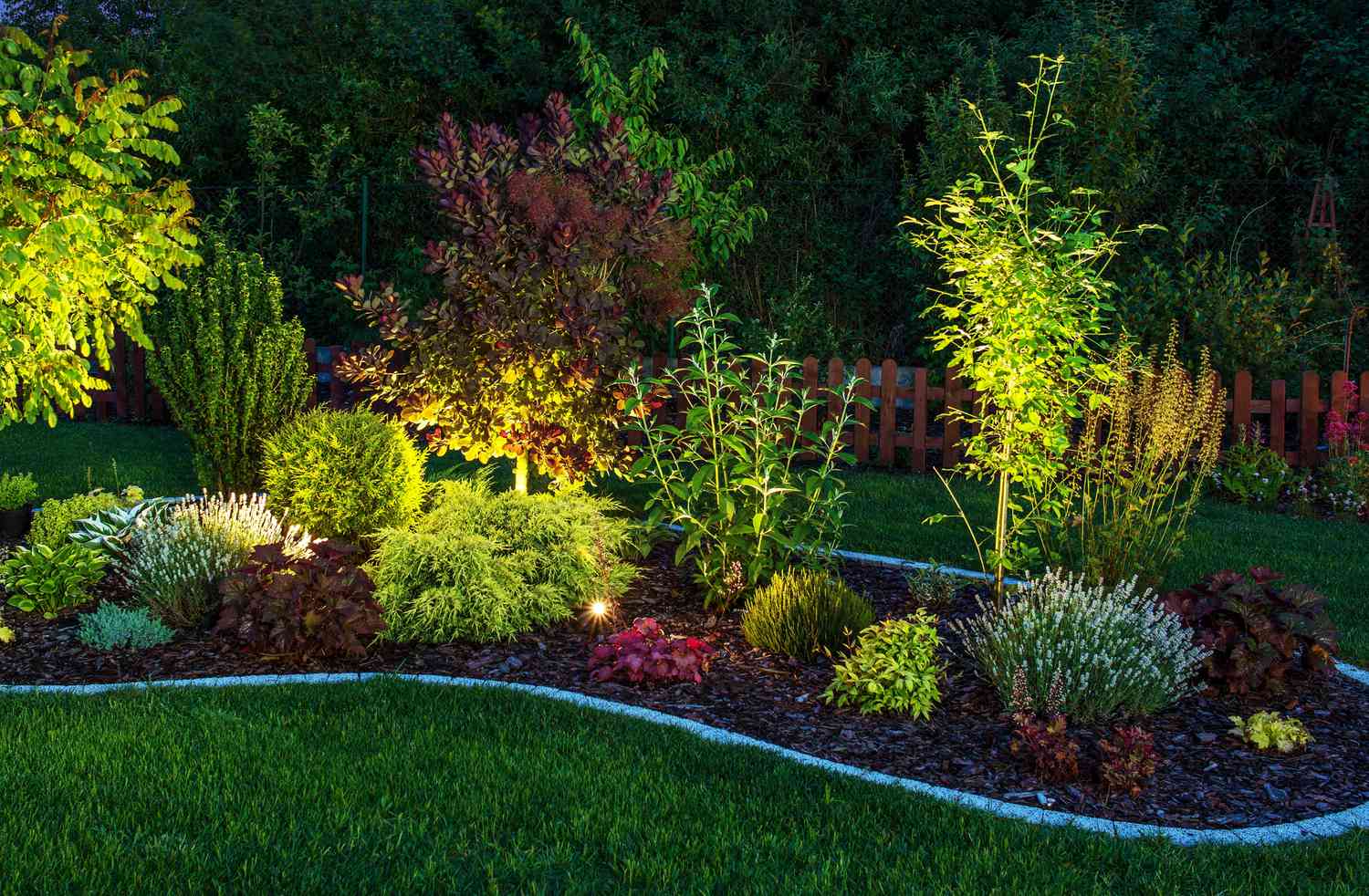
10 Budget-Friendly Front Yard Landscaping Ideas Under $500
Transforming your front yard into an inviting, attractive space doesn’t have to break the bank. With front yard landscaping ideas on a budget, you can enhance curb appeal, boost home value, and create a welcoming environment for under $500. From planting perennials to crafting DIY gravel paths, these affordable projects are accessible to homeowners of all skill levels. This article shares 10 cost-effective front yard landscaping ideas on a budget, complete with cost breakdowns and tips for sourcing cheap materials, empowering you to achieve a stunning yard without overspending. Why Budget-Friendly Landscaping Matters Front yard landscaping sets the tone for your home, influencing first impressions and potentially increasing property value by 5–10%, according to a 2023 Realtor.com study. Budget-conscious projects allow homeowners to refresh their outdoor space while managing costs, especially in a time of rising material prices. By focusing on low-cost materials, native plants, and DIY labor, you can achieve professional-looking results for minimal investment. Below are 10 front yard landscaping ideas on a budget, each designed to stay under $500. 1. Plant Perennials for Year-Round Color Cost: $100–$200 Perennials like daylilies, coneflowers, or hostas return year after year, offering vibrant blooms and low maintenance. Plant a mix of 10–15 perennials in a flower bed to add color and texture. Cost Breakdown: $5–$15 per plant ($75–$150 for 15 plants), $25 for compost/soil amendments. Sourcing Tips: Buy small plants from local nurseries or big-box stores like Lowe’s in spring sales. Check community plant swaps or Freecycle for free or discounted perennials. Tip: Group plants in odd numbers (e.g., 3 or 5) for a natural look, and choose native species to reduce water and care needs. 2. Add Mulch for a Polished Look Cost: $50–$100 Mulch refreshes flower beds, suppresses weeds, and retains soil moisture, giving your yard a clean, professional appearance. Spread 2–3 inches of mulch over existing beds. Cost Breakdown: $3–$5 per 2-cubic-foot bag ($45–$75 for 15 bags to cover 150 sq. ft.), $10 for weed barrier fabric. Sourcing Tips: Purchase bulk mulch from local landscaping suppliers for $20–$30 per cubic yard, or check municipal programs for free wood chips. Tip: Use organic mulch like shredded bark or cocoa hulls for eco-friendly benefits, and edge beds with a shovel for a crisp outline. Read more:Reducing Your Carbon Footprint With Smart Home Tech And Energy Efficient Windows 3. Create a DIY Gravel Path Cost: $100–$150 A gravel path adds charm and guides visitors to your entrance. Build a 3-foot-wide, 20-foot-long path using pea gravel or crushed stone. Cost Breakdown: $50–$80 for 1 ton of gravel (covers 60 sq. ft. at 2 inches deep), $30 for landscape fabric, $20 for metal or plastic edging. Sourcing Tips: Source gravel from local quarries or Home Depot’s bulk delivery. Reuse old bricks or stones for edging to save costs. Tip: Dig 4 inches deep, lay fabric to prevent weeds, and tamp gravel for stability. Add solar path lights ($10–$20) for evening appeal. 4. Install a Simple Flower Bed Border Cost: $50–$100 Define flower beds with affordable edging like bricks, stones, or plastic. A border enhances structure and highlights plants. Cost Breakdown: $0.50–$1 per brick ($25–$50 for 50 bricks to edge 25 linear feet), $25 for sand or mortar mix. Sourcing Tips: Check Craigslist or Habitat for Humanity ReStores for salvaged bricks. Use free rocks from your property or nearby construction sites (with permission). Tip: Lay bricks in a staggered pattern for visual interest, and level the ground to prevent shifting. 5. Plant a Small Tree for Focal Impact Cost: $75–$150 A young tree, like a red maple or flowering crabapple, adds height and a focal point to your yard. Choose a 5–7-foot tree for instant impact. Cost Breakdown: $50–$100 for a tree, $25 for mulch and stakes. Sourcing Tips: Buy bare-root trees from online nurseries like Arbor Day Foundation ($20–$50) or check local garden centers for end-of-season sales. Tip: Plant in fall to reduce watering needs, and stake the tree to protect against wind. Select native trees to support local ecosystems. 6. Build a DIY Raised Garden Bed Cost: $80–$120 A raised garden bed adds dimension and is perfect for flowers or edibles. Construct a 4x8-foot bed using cedar or reclaimed wood. Cost Breakdown: $50 for lumber (4 cedar boards, $12–$15 each), $20 for screws and corner brackets, $30 for soil/compost. Sourcing Tips: Use reclaimed pallets (free from local businesses) or discounted lumber from Home Depot’s cull bin. Buy bulk soil from landscaping suppliers. Tip: Line the bed with cardboard to suppress weeds, and plant low-cost annuals like marigolds ($1–$2 per plant) for pops of color. Read more:DIY Vs. Professional Installation: Setting Up Your Pool Filtration System 7. Create a Rock Garden Cost: $50–$100 A rock garden with drought-tolerant plants like sedum or lavender adds texture and low-maintenance beauty. Cost Breakdown: $20–$50 for rocks, $20–$30 for 5–7 plants, $10 for gravel or mulch. Sourcing Tips: Collect free rocks from rural areas (with permission) or purchase small quantities from landscaping suppliers. Buy starter plants from Walmart or Dollar General. Tip: Arrange rocks in natural clusters and space plants to allow growth. Use succulents to minimize watering costs. 8. Refresh Lawn with Overseeding Cost: $50–$80 Overseeding revitalizes a patchy lawn, improving curb appeal. Spread grass seed and fertilizer over 1,000 sq. ft. Cost Breakdown: $20–$30 for grass seed, $20 for starter fertilizer, $10–$30 for a spreader rental or purchase. Sourcing Tips: Buy seed blends suited to your region from Lowe’s or Tractor Supply. Check community tool libraries for free spreader rentals. Tip: Aerate the lawn first (DIY with a pitchfork or rent an aerator for $20) and water daily for two weeks to ensure germination. 9. Add DIY Planters from Upcycled Materials Cost: $30–$60 Create planters from old tires, buckets, or crates for a quirky, budget-friendly touch. Fill with annuals or herbs. Cost Breakdown: $10–$20 for paint or sealant, $10–$20 for 5–10 plants, $10 for potting soil. Sourcing Tips: Source free containers from neighbors via Nextdoor or garage sales. Buy discounted plants at season’s end. Tip: Paint tires in bright colors for a playful vibe, and drill drainage holes to prevent root rot. 10. Install Solar-Powered Accent Lighting Cost: $50–$100 Solar lights highlight paths, trees, or beds, adding ambiance without electricity costs. Install 8–12 stake lights. Cost Breakdown: $4–$8 per light ($40–$80 for 10 lights), $10–$20 for decorative lanterns. Sourcing Tips: Purchase solar lights from Amazon or Dollar Tree during off-season sales. Check clearance racks at Target for discounted sets. Tip: Place lights in sunny areas for optimal charging, and clean panels monthly to maintain brightness. Total Cost and Savings Tips Each project costs $30–$200, allowing you to mix and match 2–5 ideas within a $500 budget. For example, combine a gravel path ($150), mulch ($75), and solar lights ($75) for a cohesive look at $300. To maximize savings: Shop Sales: Visit garden centers in late summer or fall for 30–50% off plants and materials. Reuse Materials: Salvage bricks, rocks, or wood from your property or local sources. Borrow Tools: Use community tool libraries or borrow from neighbors to avoid buying shovels or spreaders. Plan Ahead: Sketch your design to avoid overbuying, and prioritize native plants to reduce long-term costs. Environmental and Long-Term Benefits These front yard landscaping ideas on a budget not only save money but also promote sustainability. Native perennials and rock gardens reduce water use by 30–50%, per a 2023 EPA study, while mulch and overseeding improve soil health. Solar lights eliminate electricity costs, saving $10–$20 annually. Over time, these projects lower maintenance expenses and enhance home value, with a potential ROI of 150–200% for landscaping, according to a 2024 Forbes Home report. Where to Source Cheap Materials Local Nurseries: Offer native plants at lower prices than chain stores, often with bulk discounts. Big-Box Stores: Home Depot, Lowe’s, and Walmart have clearance sales and bulk mulch/soil options. Online Marketplaces: Craigslist, Facebook Marketplace, and Freecycle provide free or cheap bricks, rocks, and containers. Municipal Programs: Many cities offer free mulch or compost from recycling programs. Community Swaps: Join plant or material exchanges via Nextdoor or local gardening groups. Conclusion With front yard landscaping ideas on a budget, you can transform your yard into a stunning, welcoming space for under $500. Projects like planting perennials, adding mulch, or creating a DIY gravel path deliver high impact at low cost, with each idea costing $30–$200. By sourcing cheap materials from local nurseries, online marketplaces, or municipal programs, and leveraging DIY labor, you can achieve professional results while saving thousands compared to hiring landscapers. These eco-friendly projects reduce water and maintenance costs, boost curb appeal, and increase home value, making them a smart investment. Whether you’re refreshing a lawn or crafting a rock garden, these 10 front yard landscaping ideas on a budget empower you to create a beautiful, sustainable front yard that reflects your style and budget.
Read More
Why Scholarships Are Better Than Student Loans? - Top 5 Reasons
Even after all efforts, you have finally won in applying to schools and getting accepted, and there will most likely still be work to get done when it comes to paying tuition. You can take two main things to try to address this problem: scholarships or student loans. Most students will need to take out the students' loans to pay for college, but that does not mean mountains of student debt are inevitable. The smart students will be sure to do a free scholarship search to get the scholarship opportunities that help you pay for tuition, so they don't have to take out many student loans. So, there are five reasons that why scholarships are better than student loans. Difference between Scholarship and Student Loans: Student loans are different from other types of financial aid. Applying for a student loan is a very complicated process. So, for this, it's important to understand that what the application process entails. There are commonly four types of student loans. But it would help if you considered what you and your family could afford to repay each month, including interest. If we talk about the scholarship, then the scholarship is the gift that is only designed for education. There are many private and public scholarship programs that give students of all ages. In addition to this, you don't need to repay the scholarship. So, this is the big difference between the scholarship and student loan. In this way, scholarships are better than student loans. No Repayment and Lower Tuition: The biggest difference between them is very clear. Student loans are just like the many other loans, so they must be paid back. In addition to this, loans will start accruing interest as soon as you begin college. At the same time, some loans will not expect repayment while you are in college. So, you have to start repaying as soon as after graduation. It is why the scholarships which are granted instead of loaned are very important. The scholarship is a free ride with full tuition aid. Any money you don't have to pay back is essential. Another best thing about scholarships is the most of them will be paid directly paid to your university. It means that your tuition will also be lowered, and you can easily go from there to assess how much you will need for the remaining course fees. Furthermore, with the scholarship money already applied to your tuition, you can budget your housing, books, meals, and transportation fees. In addition to this, you can make an informed decision about your money and expenses. Networking: Remember that scholarship can be related to your school, government groups or institutions, and more. Some of the scholarships require special essays or projects. These programs will bring to your attention different communities of people that have the same interest as you. Make sure to do a conversation at a ceremony or in an online group related to your award. Motivation and Distinction: When you get the scholarship, it does not end there. Most likely, you have to keep up your GPA in certain or all of your classes. Winning a scholarship is a great way to get motivated and excited about your academic performance. It is a great motivation for you that you get this money due to your great performance. You earn this money because you are doing great work, so keep it up. Many scholarships are highly selective and not easy to get, and you have to distinguish yourself by winning them. You may be sought after for opportunities and placements by proving your worth. It is also a good idea to put the scholarship you won on your student resume when applying to summer jobs or internships. No Need to Work: According to the research, nearly half of all undergraduate students have a job to help them fulfill their finances related to their studies and living cost. Getting a job can help college students in their college expenses. If you have to work 16 hours per week or more, will you put in as much effort on your paper? It is a compromise that many colleges that many students have to take when they take the student loan because they have to repay this money with interest. So, in this way, the key benefit of scholarships is that the need to work is removed. Instead, you can give all of your time to working on your academic projects. So, this will also allow you to improve your grades and get a better job when you graduate. In addition to this scholarship can boost your resume, but the student cannot boost your resume. In this way, scholarships are much better than a student loan. So, try to consider a scholarship compared to a student loan that is not free and a great achievement for you.
Read More